US-412 / Keystone Expressway
Report eastbound or westbound, the nearest exit, and whether the vehicle is on the main shoulder, a ramp, or a frontage road. Do not cross traffic to read a sign.

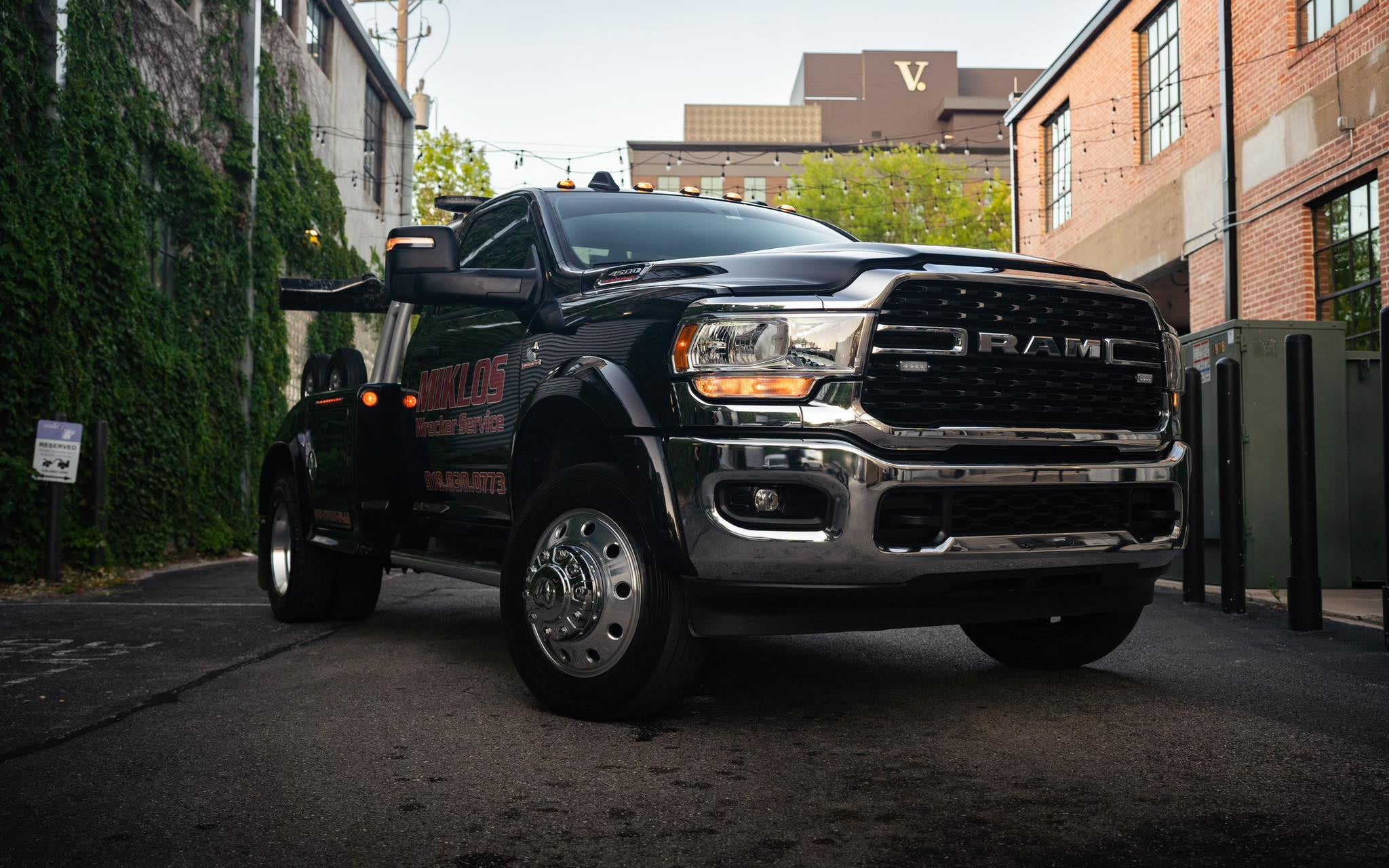
For Sand Springs, identify US-412, SH-97, the local street, and whether the vehicle is still on pavement.
(918) 830-0773Dispatch confirms the job, available equipment, quote, and current ETA for the call.
A US-412 shoulder call needs highway direction and exit details. A request west of the city grid may depend more on the surface, slope, gate, and firm access available to a recovery truck.
Report eastbound or westbound, the nearest exit, and whether the vehicle is on the main shoulder, a ramp, or a frontage road. Do not cross traffic to read a sign.
Give the nearest cross street, direction, and a dropped pin. Curves, medians, and separate business entrances can make a street name alone incomplete.
Describe pavement, gravel, mud, slope, gate width, and the nearest firm road. Confirm who authorizes entry if the vehicle is on private land or behind a locked gate.
Dispatch needs to know whether the vehicle simply cannot drive or must first be recovered from soft ground, a ditch, or another position away from normal loading access.
Call 911 if the vehicle blocks a lane or presents immediate danger. Once safe, report direction, exit, shoulder position, vehicle damage, and any staging direction from law enforcement.
Use the expressway call checklistStop trying to drive out if the vehicle is digging in, sliding, or changing position. Send wide photos of the vehicle, slope, surface, traffic side, and firm approach for a recovery assessment.
Review winch-out detailsProvide a dropped pin, land-access permission, gate and road widths, terrain photos, vehicle weight, and how far it is from firm access. Dispatch may decline a scene that cannot be reached safely or legally.
Prepare the off-road requestThat single detail helps separate a standard transport call from a recovery that needs photos, permission, rigging, or a different truck.